Field notes on AI search
Research and plain-English explainers on Generative Engine Optimization, Reddit's role in AI citations, and how AI search engines decide which brands to recommend.
AI Search Statistics 2026: The Numbers That Matter for GEO
A 2026 stat sheet for SaaS founders building a GEO plan: AI Overview coverage, citation share by domain, platform volatility rates, freshness thresholds, and the conversion lift that makes AI traffic worth the work.

GEO vs AEO vs LLMO vs AI SEO: The Terminology, Settled
GEO, AEO, LLMO, AIO, AI SEO — five acronyms, one discipline. A precise reference taxonomy that defines each term, maps it to platforms and workflows, and resolves the overlaps so you know what you're buying.
What to Do When Your AI Citations Drop: A Diagnosis Guide
Your AI citation share fell. Before you rebuild your site, figure out whether it's platform volatility, a Bing deindex, a buried Reddit thread, an entity conflict, or a competitor capturing the source. A cause-by-cause troubleshooting guide.
Share-of-Answer Reports: Benchmarking AI Search Rivals
A share-of-answer report tracks your AI citation share against named competitors across a fixed prompt set. Here's how to build one — prompt design, the competitive denominator, cohort analysis, and the statistical rigor that keeps it honest.
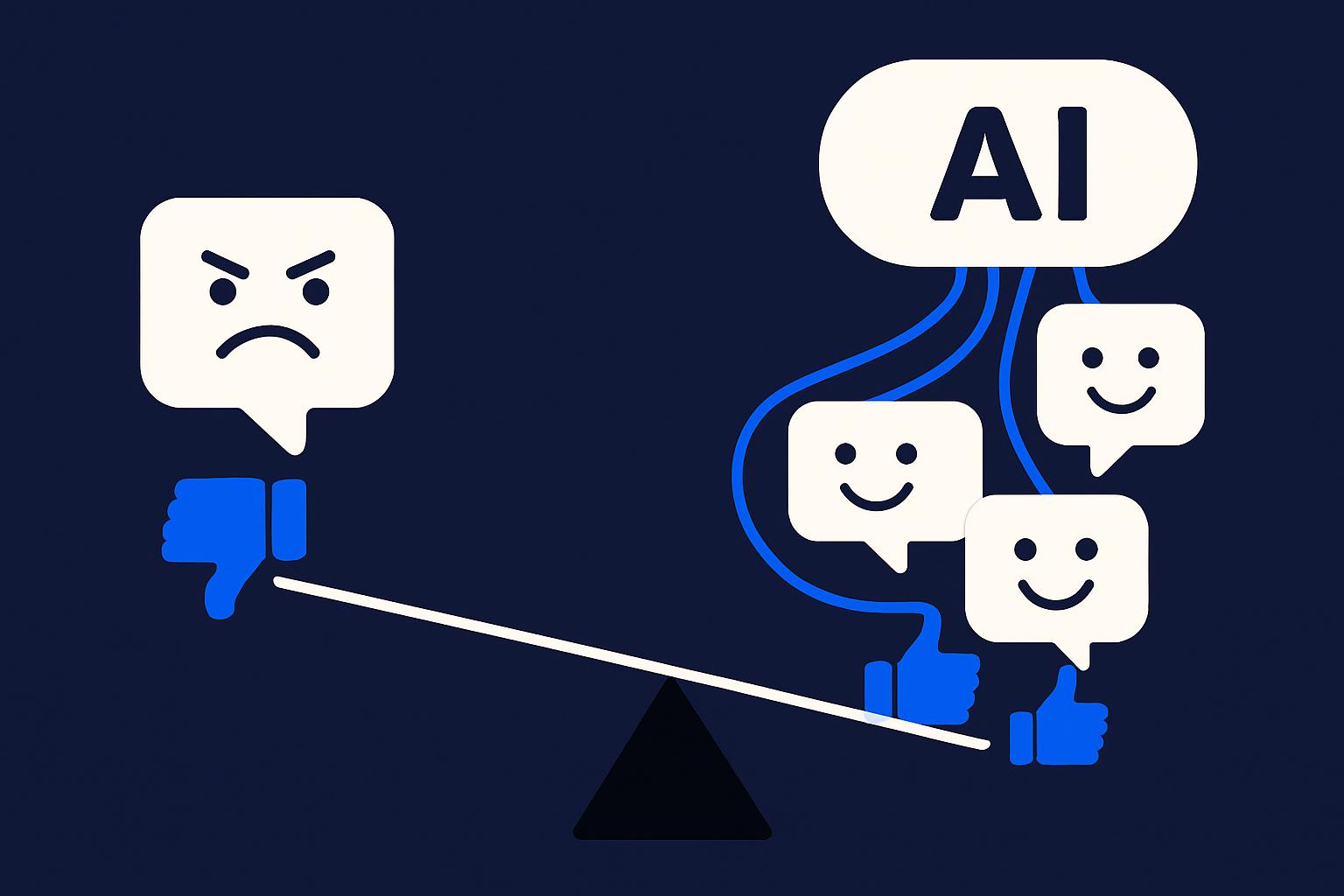
How Negative Reddit Content Affects AI Answers (and How to Fix It)
AI assistants build answers from Reddit — so one negative thread can shape what ChatGPT or Perplexity says about your brand. Here's why it happens, how much it matters, and the legitimate way to fix it without crossing the line.
GEO for DeepSeek, Kimi & Qwen: Getting Cited in Alternative LLMs
Most GEO advice targets ChatGPT, Gemini and Perplexity. But DeepSeek, Kimi and Qwen are large, fast-growing engines with their own sourcing. Here's how visibility works in alternative and Chinese LLMs, and what transfers from Western GEO.
Does Microsoft Copilot Use the Same Index as ChatGPT?
Short answer: largely yes — both lean on Bing's index. Here's how Microsoft Copilot and ChatGPT search actually source the web, where they differ, and what it means for getting your brand seen in both.
G2 vs Capterra vs Trustpilot: Which Review Site Wins — and Do They Matter for AI Search?
G2, Capterra and Trustpilot compared for B2B and SaaS — audience, trust, and which converts — plus the question nobody else answers: do AI engines actually cite review sites, or does Reddit win the AI citation instead?
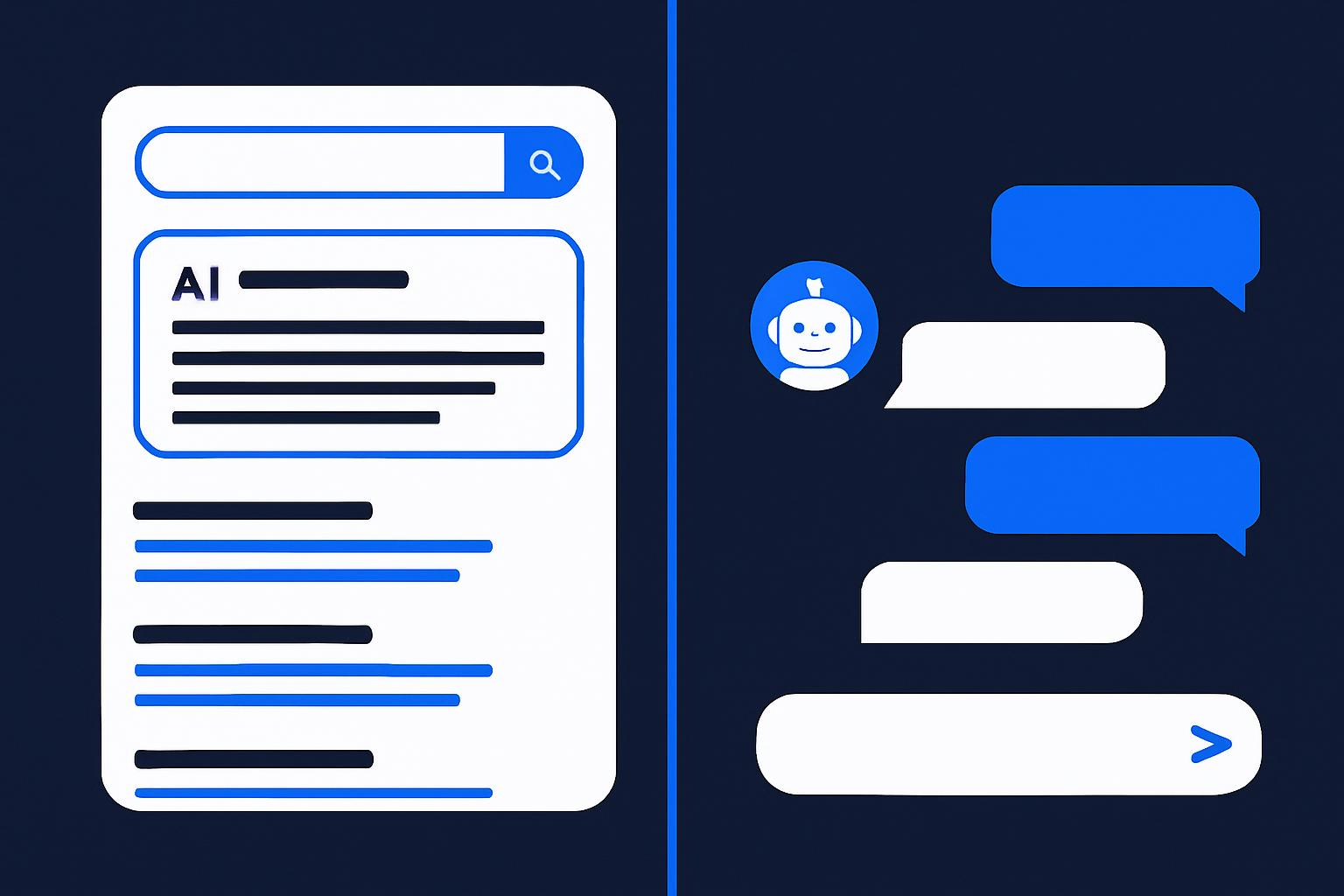
Google AI Mode vs AI Overviews: What's the Difference?
Google answers searches two AI ways and they're easy to confuse. AI Overviews is the summary box atop normal results; AI Mode is a separate conversational search. Here's the difference, how each is triggered, and what each means for getting cited.

GEO Tools Compared: What AI Visibility Trackers Measure
AI visibility trackers don't measure the same thing — and some of what they sell is noise. Here's how GEO tools actually calculate citation share, what they can't see, and how to read a dashboard without being fooled by false precision.
Review Sites & AI Recommendations: G2, Capterra, Trustpilot
How G2, Capterra and Trustpilot structurally influence AI recommendations — the schema, index authority, and consensus mechanics behind why review sites get cited over your own site. From Cory Maki, creator of the ARC Method.
YouTube as an AI Citation Source: Transcripts & Structure
YouTube is the #1 most-cited domain in Google AI Overviews. Here's how transcript indexing, timestamp extraction, and metadata decide which videos get quoted — and why views don't matter.
LinkedIn Articles as an AI Citation Channel for Founders
LinkedIn is the #2 most-cited domain in AI search behind Reddit — and #1 for professional queries. Here's how AI engines cite LinkedIn articles, why Pulse beats posts and company pages, and how founders should split effort between LinkedIn and Reddit.
Google AI Mode vs AI Overviews: How They Differ for Visibility
Google AI Mode and AI Overviews cite the same URLs only 13.7% of the time. Here's when each surface appears, how their source pools differ, and where SaaS founders should focus GEO effort — even after the 2026 merge.
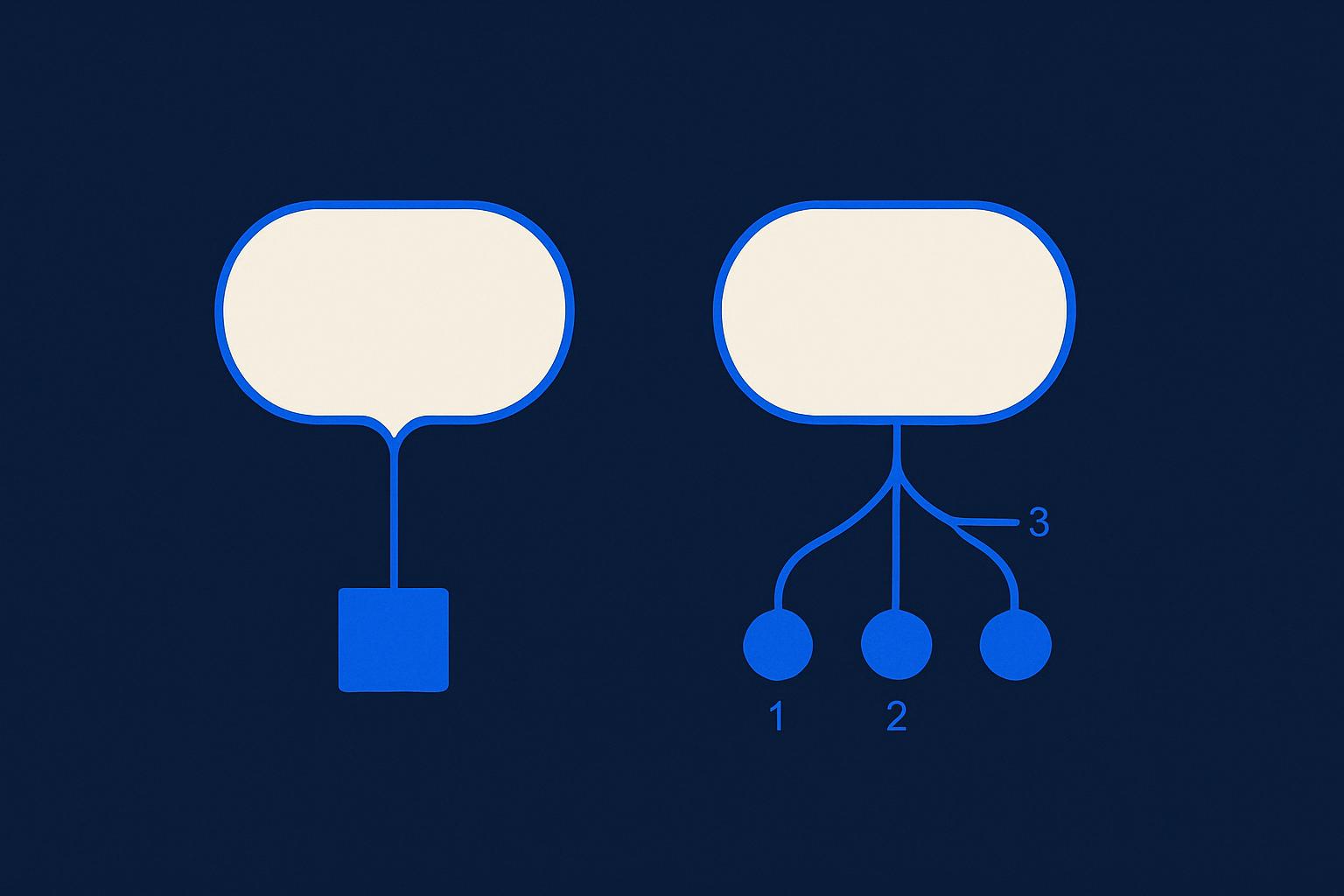
How Microsoft Copilot Picks Its Sources vs ChatGPT
Copilot grounds nearly every web answer in Bing's index via internal grounding queries; ChatGPT searches selectively across a Bing-class index plus its own OAI-SearchBot crawl. Here's how each picks and cites sources, and where the gap matters for SaaS founders.
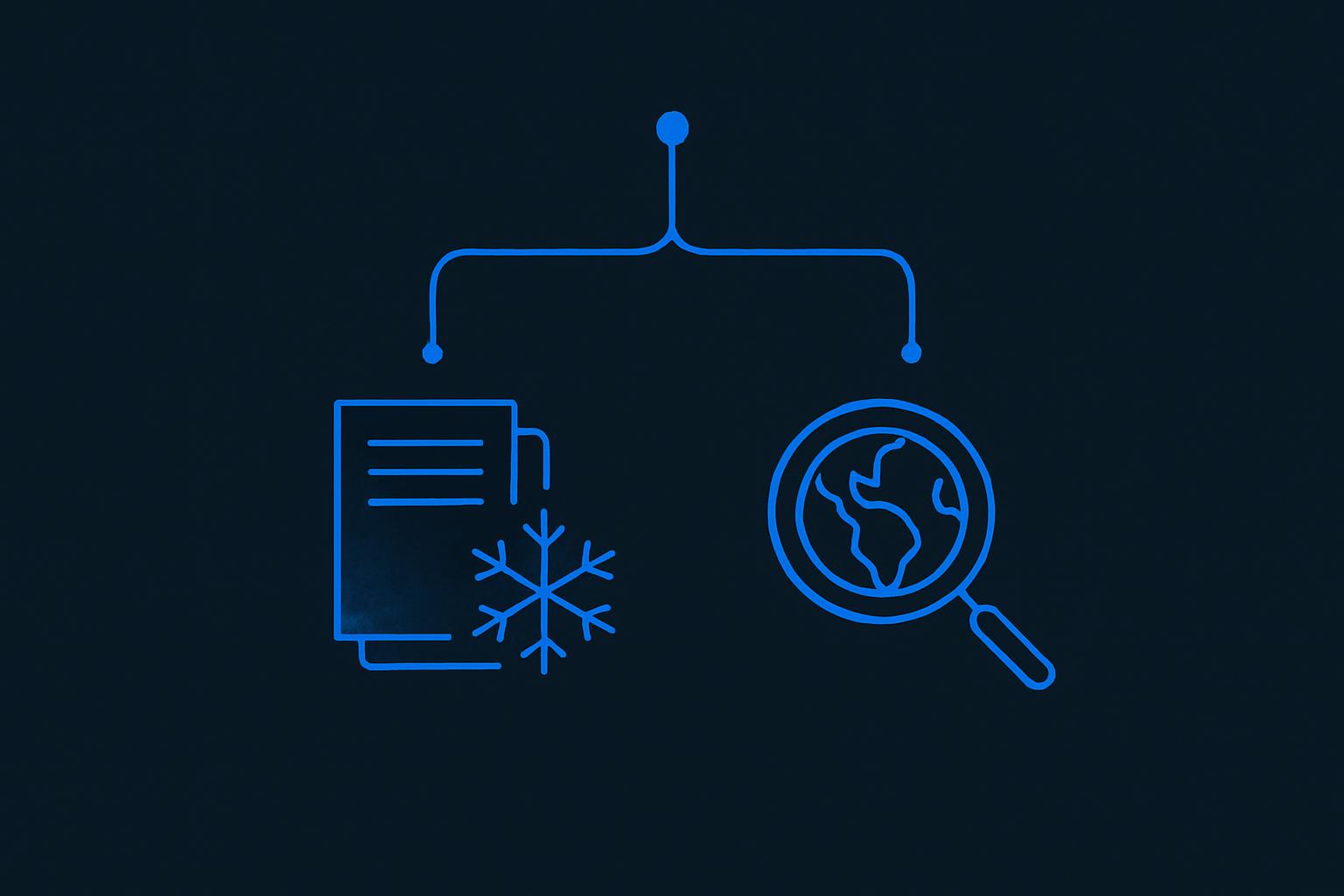
How Claude Chooses and Cites Its Sources
Claude picks and cites sources differently than Perplexity or Google. Here's the actual pipeline — training corpus, situational web search via Brave, three separate crawlers, and Anthropic's preference for authority sources — plus what SaaS founders should do.
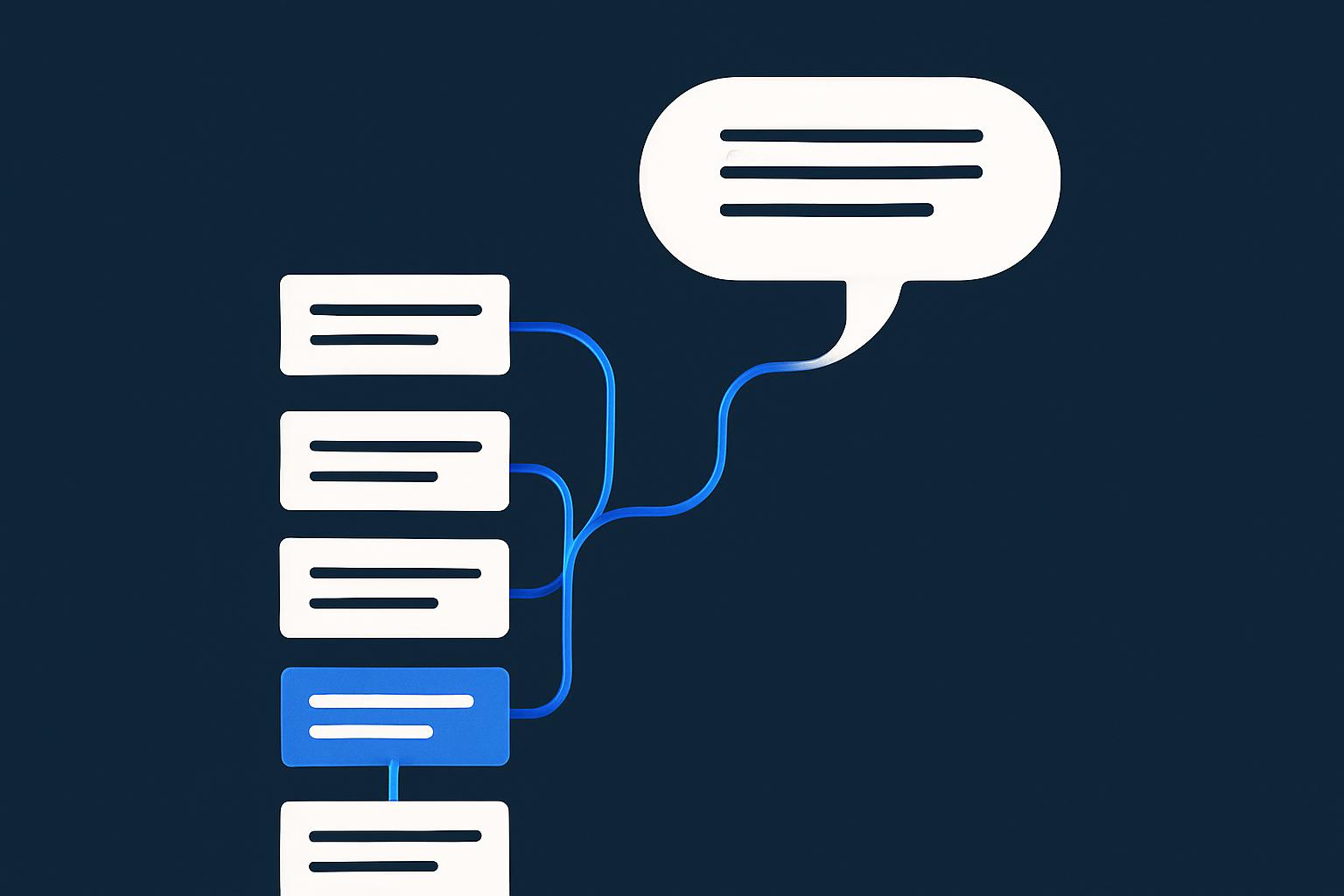
How to Get Cited by ChatGPT: The Reddit Playbook (Without Getting Banned)
AI assistants build software recommendations from Reddit — so Reddit is a growth channel you can't buy your way into. Here's the earned playbook: find the threads AI cites, write the citable answer, always disclose, and the exact line that gets you banned if you cross it.

Robots.txt for AI Crawlers: GPTBot, ClaudeBot, PerplexityBot, Google-Extended
The exact robots.txt syntax for GPTBot, ClaudeBot, PerplexityBot and Google-Extended in 2026 — which bots actually honor the file, which ignore it, and the allow/disallow rules that decide whether AI can cite you.
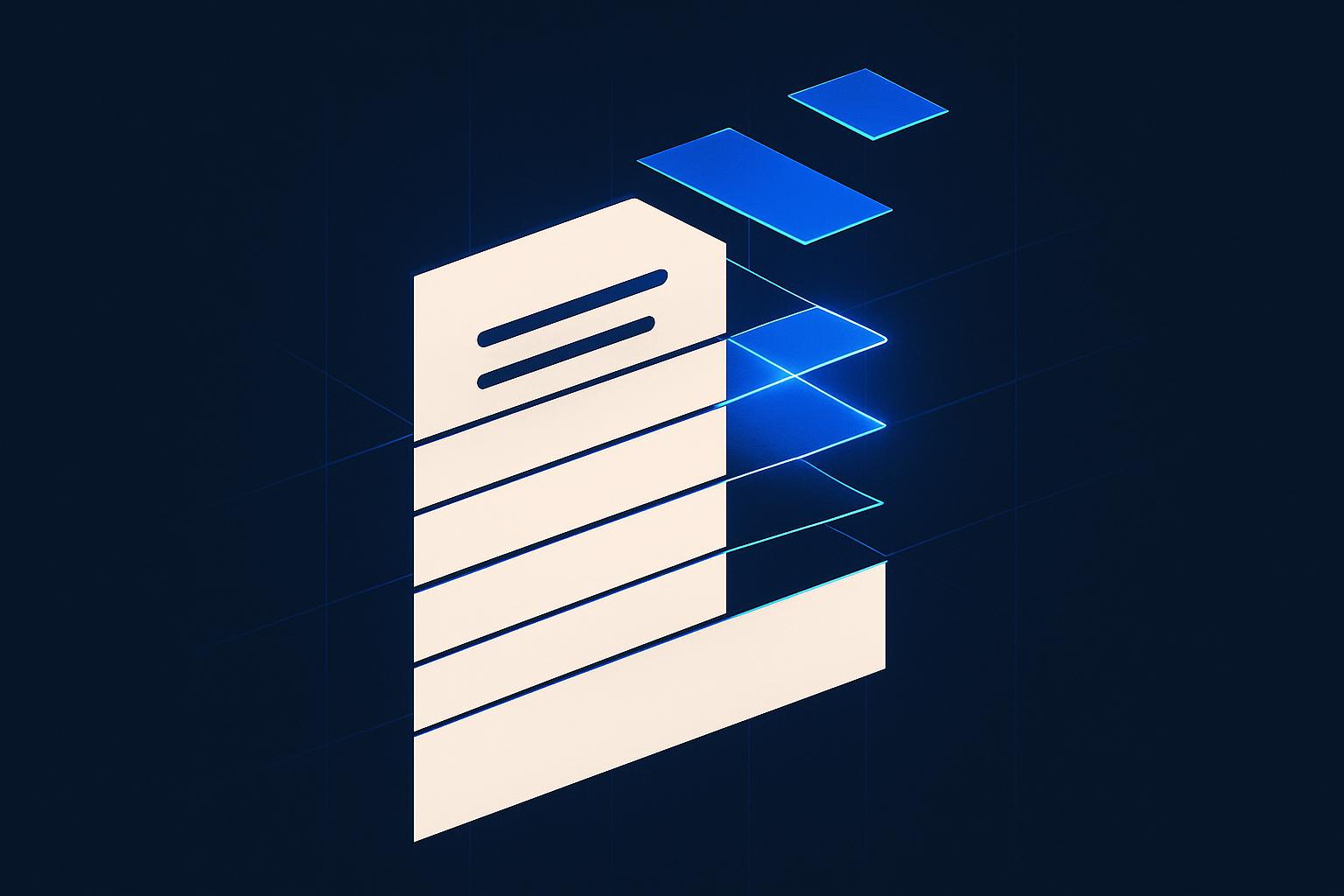
Content Chunking for AI Retrieval: Structuring Clean Passages
AI engines don't retrieve pages — they retrieve chunks. Here's how to structure your pages so ChatGPT, Perplexity, and Google AI Overviews can lift a clean 2-3 sentence passage: DOM structure, chunk boundaries, and bad vs. good patterns.
Schema Markup for GEO: Which Structured Data Actually Gets Cited
The 2026 data on schema markup and AI citations is in — and it's not what agencies are selling. Which structured data types actually influence AI citations, which don't, and how schema really interacts with passage extraction.
How AI Picks Local Businesses: A Case Study in What It Actually Cites
I asked an AI assistant to recommend a local contractor, then traced all 60+ sources behind the answer. It ranked businesses from review aggregators, editorial lists, and government license records — never their own websites. Here's how AI local recommendations really work.
How to Claim and Edit Your Google Knowledge Panel (With Screenshots)
If Google shows a Knowledge Panel for you, you can claim it and suggest edits. Here's the exact claim-and-verify flow with real screenshots, how to fix wrong info, why edits get rejected, and why it matters now that AI reads your panel.
llms.txt Explained: What It Is and Whether AI Crawlers Use It
llms.txt is a proposed markdown standard that maps your site for AI. Here's the real 2026 adoption data — Google says no, 97% of files go unread — plus the exact syntax and how to verify it.
The Best GEO Agencies in 2026 (and How to Choose One)
Buyers now ask who can get them recommended by AI, not just ranked on Google. Here's what a GEO agency actually does, how to tell the real ones apart, and the notable AEO/GEO agencies in 2026 — including who fits Reddit and reputation-driven work.
The Best AI Visibility Tools in 2026 (Compared)
You can't manage what you can't see. Here are the best AI visibility tools of 2026 — Profound, Peec AI, AthenaHQ, Otterly, Scrunch and more — compared by engine coverage, source tracking and who each is for, plus the free way to start.
Entity Disambiguation: When You Share a Name in Search
When you share a name with someone else, AI and search engines conflate your facts, achievements, and reputation with a namesake. Here's how disambiguation works, why it matters for your visibility, and the schema, sameAs, and biographical signals that separate your entity from the noise.
Wikidata vs Wikipedia: What's the Difference? (And Which You Need)
Wikidata vs Wikipedia — what's the difference? Wikipedia is an encyclopedia of articles for people; Wikidata is a database of structured facts for machines. Here's how they differ, how they work together, and which one you actually need.
What Is a KGMID? Google's Entity ID and How to Find Yours
A KGMID (Knowledge Graph Machine ID) is Google's unique ID for every entity in its Knowledge Graph. Here's what a KGMID is, three ways to find yours — via your Knowledge Panel, Search, or the API — and why it matters for entity disambiguation in AI search.
How to Get a Google Knowledge Panel: The Realistic Path
Google doesn't grant Knowledge Panels on request — its systems create them from entity confidence. Here's the realistic path for founders and brands: what actually triggers a panel, how to claim and verify it, and how to control what it says.
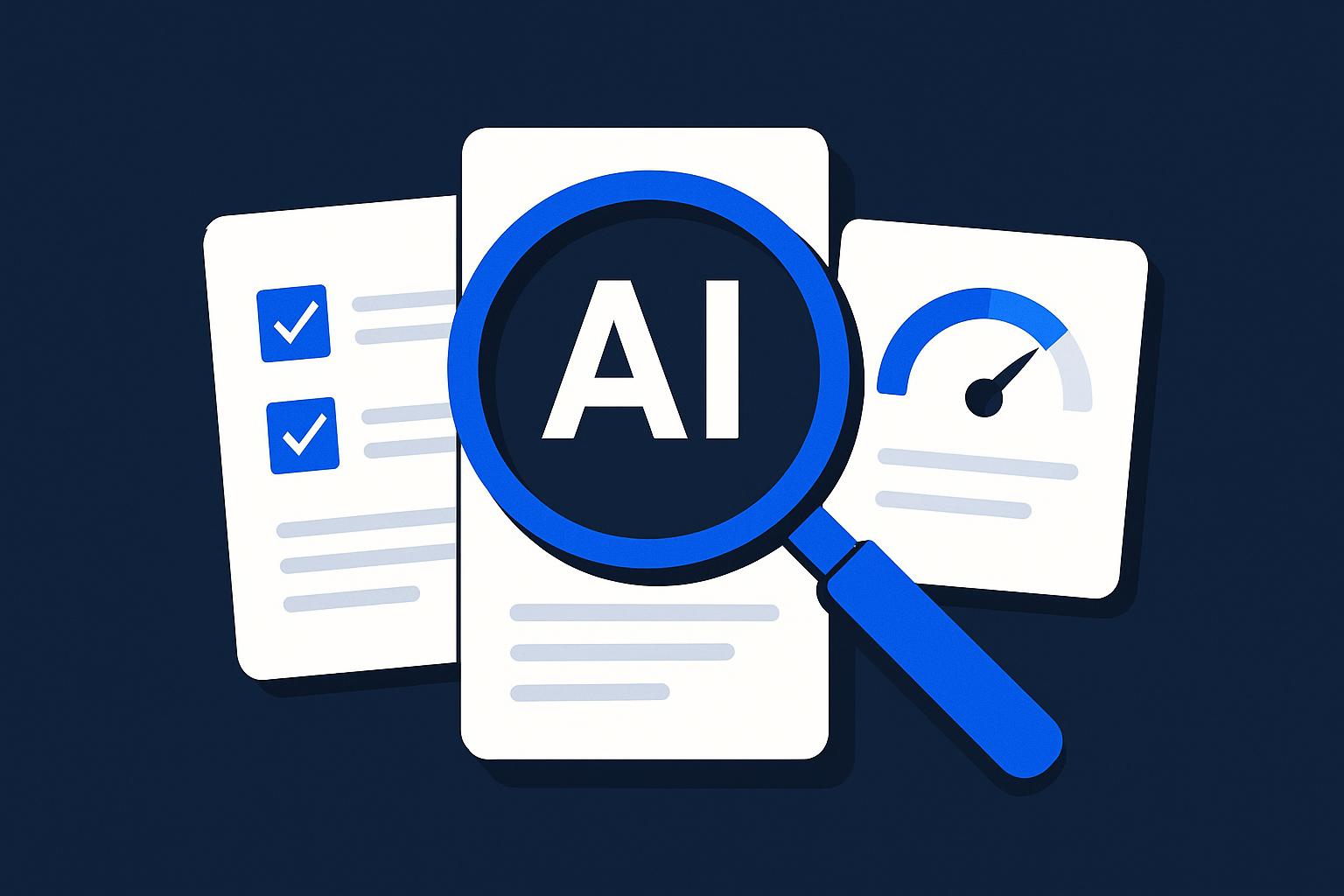
AI Search Audit: How to Audit What AI Says About Your Brand
An AI search audit measures how ChatGPT, Perplexity, Gemini and Google AI Overviews describe and recommend your brand. Here's what an AI brand audit checks, how to run one step by step, manual vs automated, and how to act on the results.

How to Connect Entities with Schema Markup for the Knowledge Graph
Schema markup doesn't just describe a page — it tells search engines which entity the page is about and how it links to entities elsewhere. Here's how @id, sameAs, and identifier connect your entity into the Knowledge Graph.
Does Perplexity Cite Reddit? How Reddit Drives Perplexity's Answers
Yes — Reddit is Perplexity's most-cited source by a wide margin, around 46.7% of its top citation sources. Here's why Perplexity leans on Reddit so heavily and how to get your brand cited in its answers.
What Is Citation Share? The Core Metric of AI Search Visibility
Citation share is the percentage of AI answers, across your buying questions, in which your brand is named versus competitors. Here's what citation share is, the formula to calculate it, how it differs from an influence score, and what moves it.
Why AI Cites Reddit and Review Sites Instead of Your Own Content
AI answers keep citing Reddit threads and review sites over your polished brand pages. It's not a bug — engines prefer third-party consensus by design. Here's why it happens and the three moves that actually change the answer.
The Best GEO Tools for Tracking Reddit Citations in AI Search (2026)
Reddit is the most-cited domain in AI answers. Here are the GEO and AI-visibility tools that track Reddit's citation share across ChatGPT, Perplexity, Gemini and Google AI Mode — and how to do it without paying for one.
Upvotes, Recency & Thread Age: What Gets a Reddit Post Cited
Upvotes, recency, and thread age are independent variables that change whether Google AI Overviews cite a Reddit post. Here's how each signal works — and how they interact — from Cory Maki, creator of the ARC Method.

Quora vs Reddit: The Difference and Which Wins AI Citations
Quora vs Reddit: the plain difference between the two platforms, and — more importantly — which one AI actually cites. Reddit dominates AI answers; here's the data, why, and where Quora and niche forums still fit.

Tracking AI Overview Citation Share by Keyword: A GEO Framework
AI Overview citation share isn't visible in GA4 or Search Console. Here's a measurement framework that treats citation share as a dashboard problem: prompt panels, GA4 channel setup, attribution, and benchmarking share over time by keyword.
AIO Phrase Rankings: Find Which Queries Trigger AI Overviews
A practical method for mapping which query phrases in your market trigger Google AI Overviews, benchmarking your citation presence phrase-by-phrase, and building a stable AIO phrase list despite 70%+ volatility. From Cory Maki, creator of the ARC Method.
Reddit GEO Without Astroturfing: The Compliance Boundaries
You can earn AI Overview citations through Reddit and stay inside Reddit's rules — but only if you know where the enforcement lines actually sit. A field guide to vote manipulation, CQS, the 90/10 rule, and FTC exposure for SaaS founders.
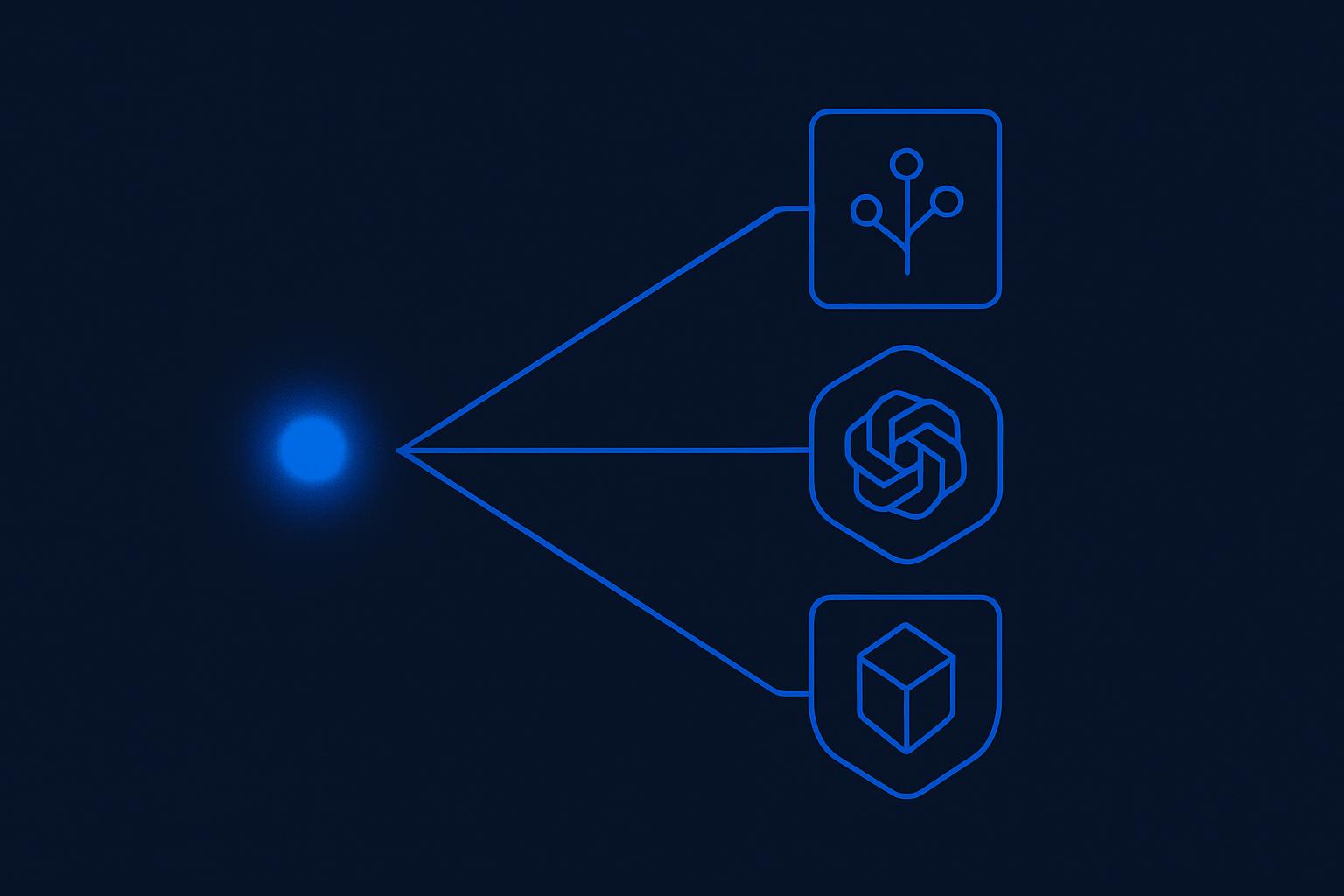
One Reddit Comment, Three AI Citations: The Pipeline
How a single Reddit comment becomes a cited source across Google AI Overviews, ChatGPT Search, and Perplexity — and why the same passage gets picked by all three or fails in one. A source-multiplier playbook from Cory Maki.

How to Get a Reddit Thread to Rank in Google AI Overviews
A practical, data-backed method for getting Reddit threads cited inside Google AI Overviews — covering query fan-out, passage extraction, subreddit selection, and the answer structure AI systems reward.
The Answer-Passage Formula: Reddit Comments AI Overviews Quote
A field-tested formula for writing Reddit comments that Google AI Overviews extract and quote verbatim. Learn the question-response structure, self-contained passages, and specificity signals that get community content cited.

Subreddit Selection for GEO: Which Communities Feed AI Overviews
Reddit powers roughly 21% of Google AI Overview citations, but not every subreddit gets pulled. Here's how to identify the 3-5 communities that actually feed AI Overviews in your category, and how to earn a place in them.
Find the Exact Reddit Threads Google AI Overviews Cite
A practical method for locating the specific Reddit threads Google AI Overviews cite in your niche — using fan-out logic, Community Perspectives, and citation tracking. From Cory Maki, creator of the ARC Method.
Measuring AI Search ROI: Why AI Traffic Converts 5x Higher
AI-referred traffic converts roughly 4-5x higher than organic search because visitors arrive pre-qualified. Here's the data, the mechanism, and how to measure AI search ROI in GA4 without fooling yourself.
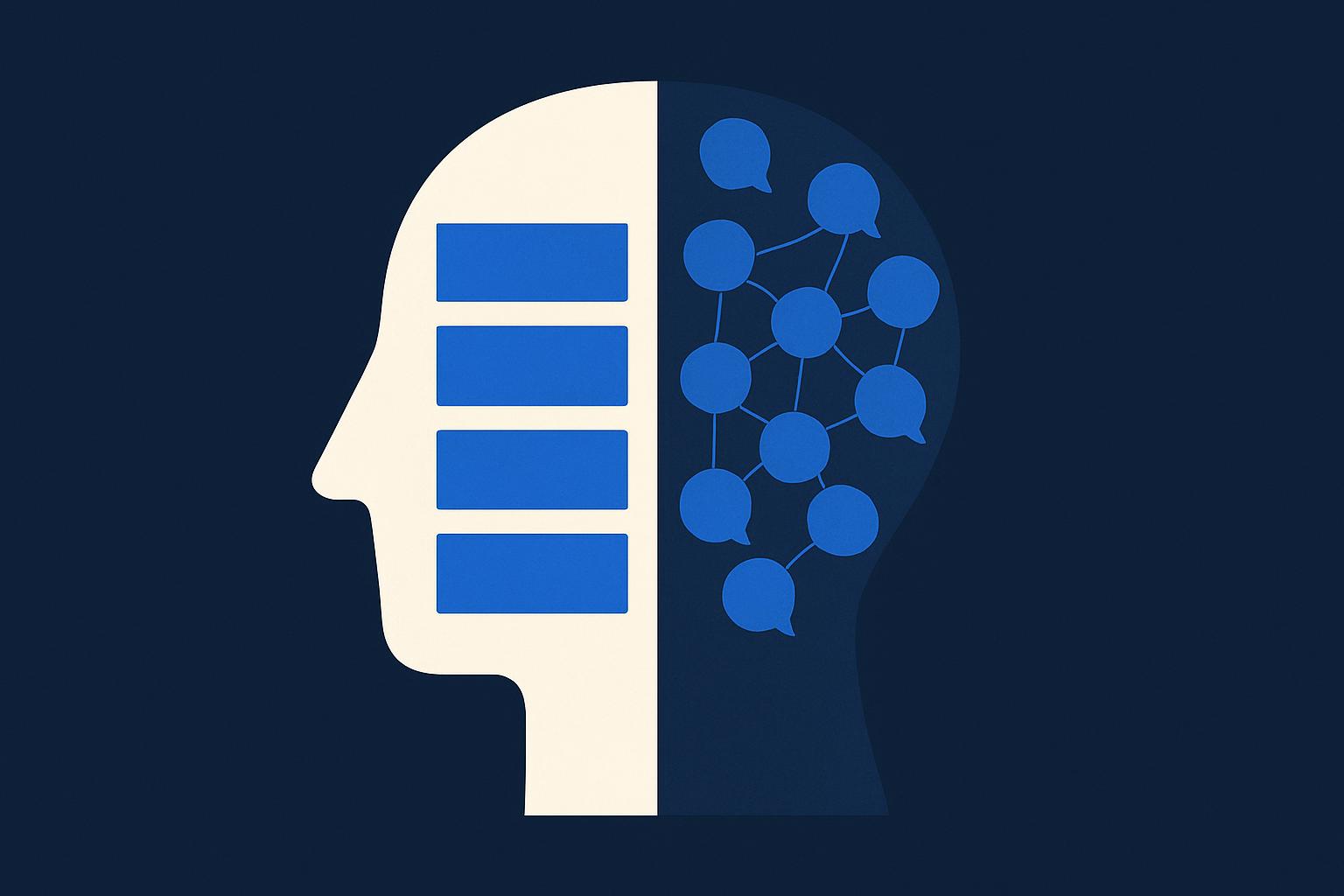
Gemini's Split Brain: Informational vs. Recommendation Queries
Gemini treats 'what is X' and 'best X for Y' as two different problems with two different source pools. Here's how the split works — and what SaaS founders should do about it for GEO.
Why Your Facts Must Match Everywhere for AI Search
AI search engines resolve conflicts by counting independent sources that agree. When your founding date, pricing, or positioning drifts across the web, AI hedges or skips you. Here's how to make your brand facts match everywhere — and why it's now a citation requirement.
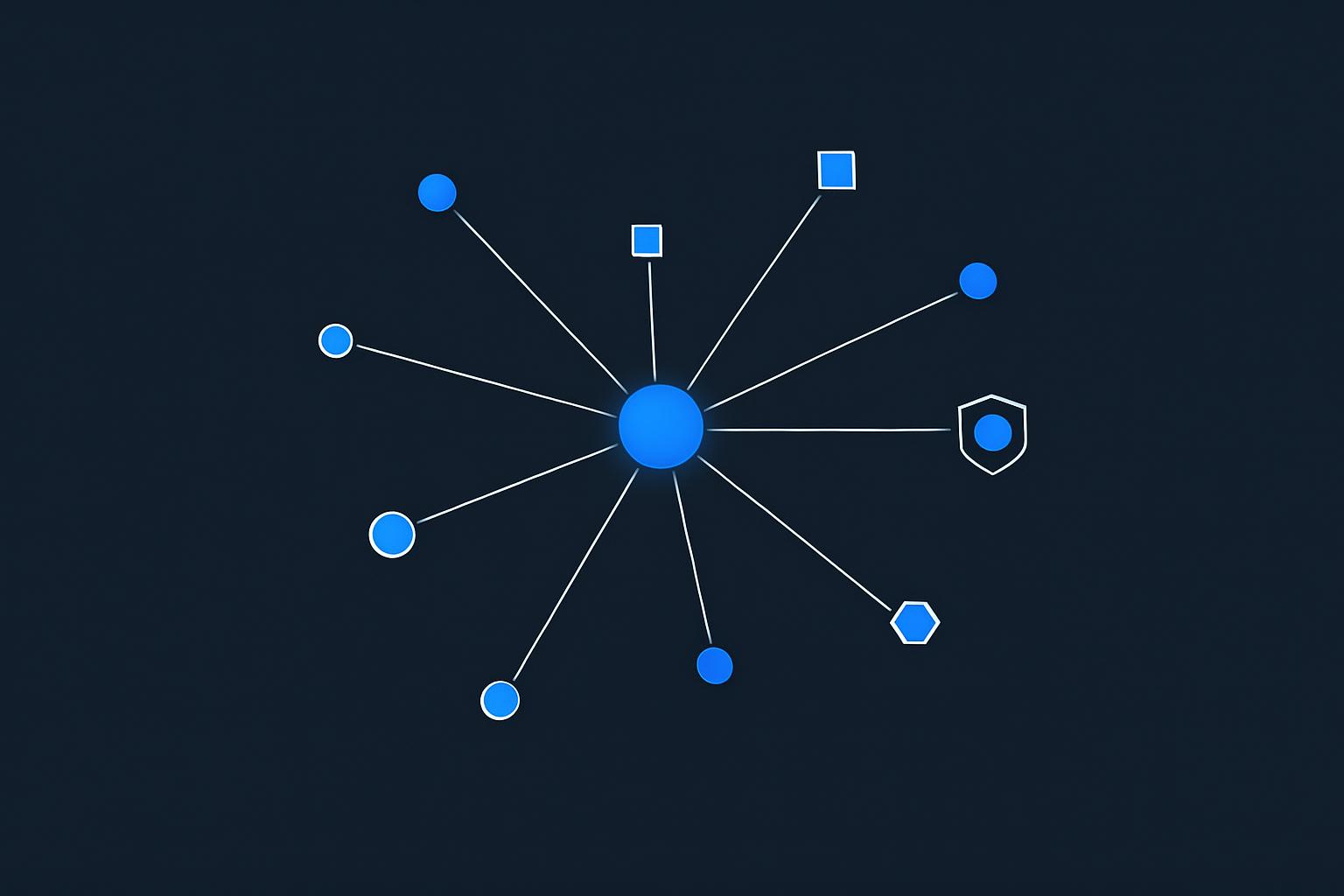
Building Your Entity: Schema and the Knowledge Graph for SaaS
How SaaS brands become recognized entities in Google's Knowledge Graph using Organization schema, sameAs, and Wikidata — and why entity clarity now drives AI citations more than rankings.
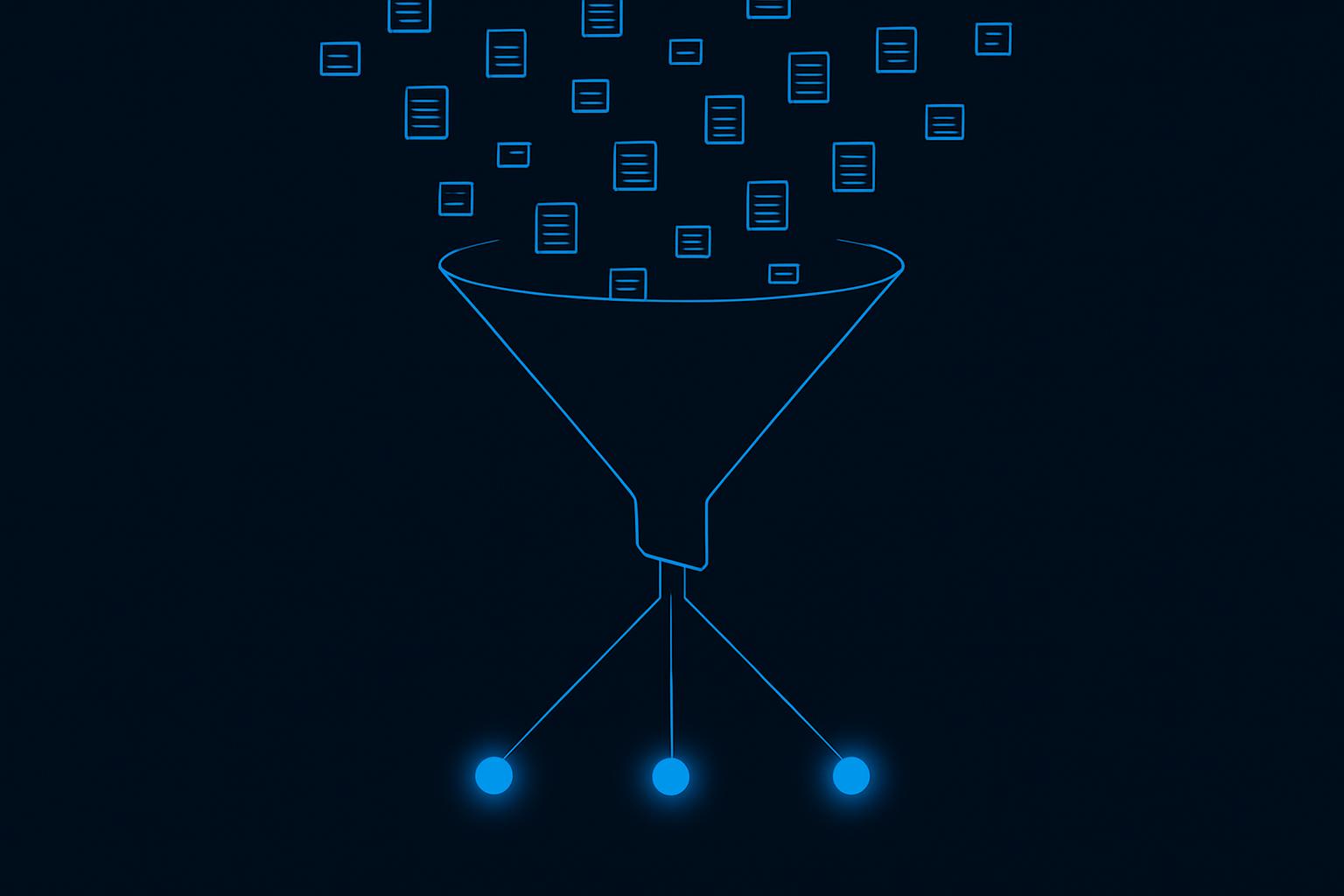
How Perplexity Picks Its Sources — And How to Get Cited
Perplexity reads roughly ten pages per query but cites only three to five. Here's how its retrieval-and-rerank pipeline chooses sources, what the citation data actually shows, and a concrete playbook for SaaS founders who want to be the source it quotes.
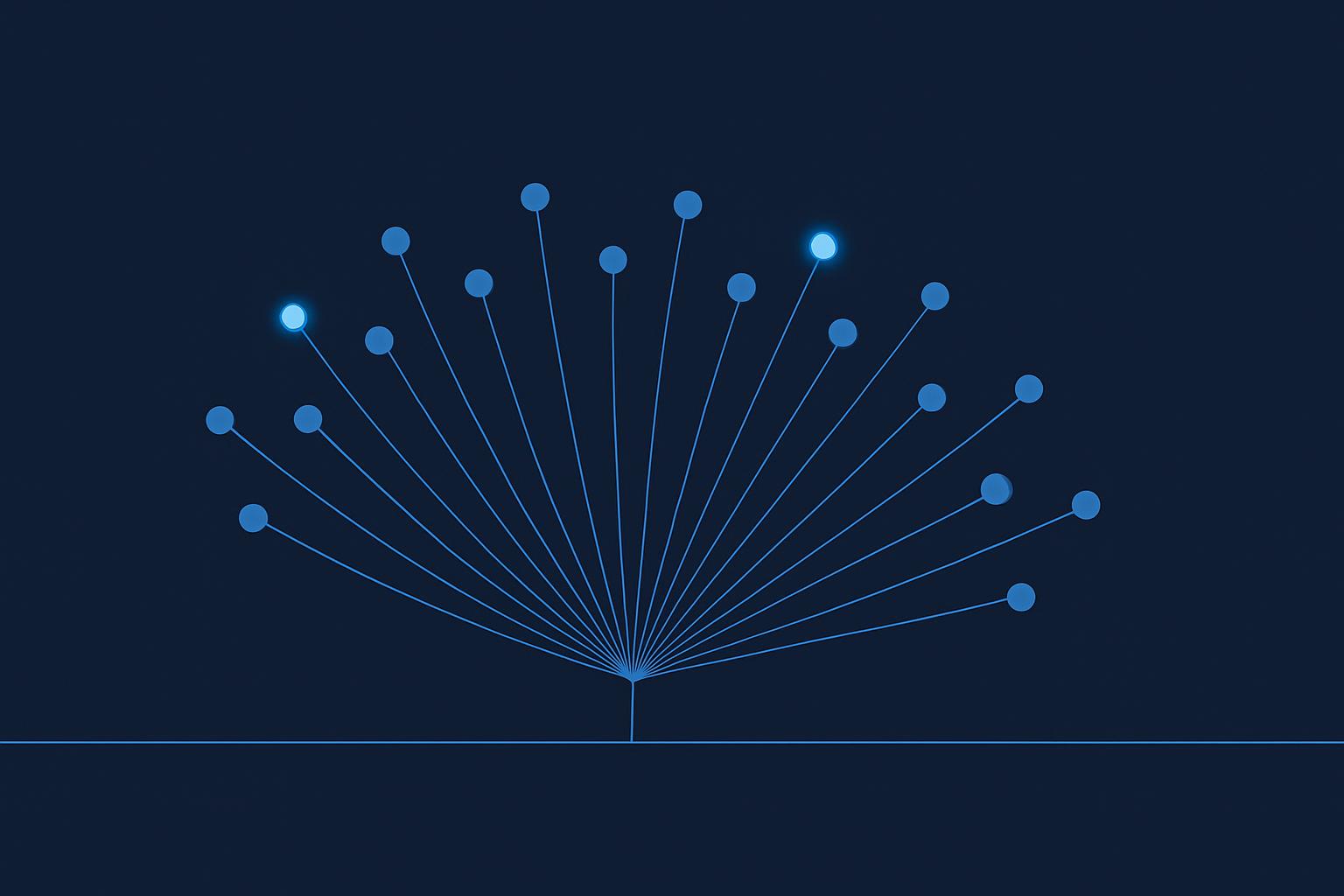
How Google AI Overviews Choose Citations: Query Fan-Out
Google AI Overviews don't pick citations from the top 10 anymore. They run query fan-out — one prompt becomes dozens of sub-queries — then filter 200-500 documents down to a handful of cited passages. Here's the mechanics and what SaaS founders should do about it.
AI Reputation Management: When AI Describes Your Brand Wrong
AI assistants describe brands before buyers ever reach your site — and they get it wrong often. Here's why it happens, why you can't just call OpenAI, and the source-level correction process that actually moves the answer.

The 90-Day GEO Roadmap for SaaS Founders
A 90-day Generative Engine Optimization plan for SaaS founders, built on the ARC Method: audit your AI visibility, engineer your off-domain citation surface, and make your content citable. Grounded in 2026 data.
How to Make Your Content Citable by AI: Structure, Schema, Passages
AI engines cite passages, not pages. Learn how structure, schema, and self-contained passages make your content the source ChatGPT, Perplexity, and Google AI Overviews quote — grounded in current research.

The ARC Method: A Framework to Audit Your Brand's AI Search Visibility
The ARC Method — Audit, Review, Correct — is a step-by-step framework for auditing how ChatGPT, Gemini, Perplexity and Google AI Overviews see your brand: measure what they say, trace the sources driving it, and fix the ones that matter.
Why ChatGPT Can't See Your Website (And How to Fix It)
ChatGPT Search runs on Bing's index, not Google's. If your site isn't in Bing, ChatGPT can't cite you — no matter how well you rank on Google. Here's how to check and fix it.

The “GEO Is Just SEO” Debate — Where I Stand
Two camps formed around GEO. After a year of research, here's why both are partly right — and why it matters for your budget.

Why Reddit Dominates AI Search Citations
Reddit is the most cited domain across major AI platforms. The data behind it — and what SaaS founders should do.

What Is Generative Engine Optimization (GEO)?
A plain-English definition, how it differs from SEO, and how each AI platform chooses its sources.