What Is Citation Share? The Core Metric of AI Search Visibility
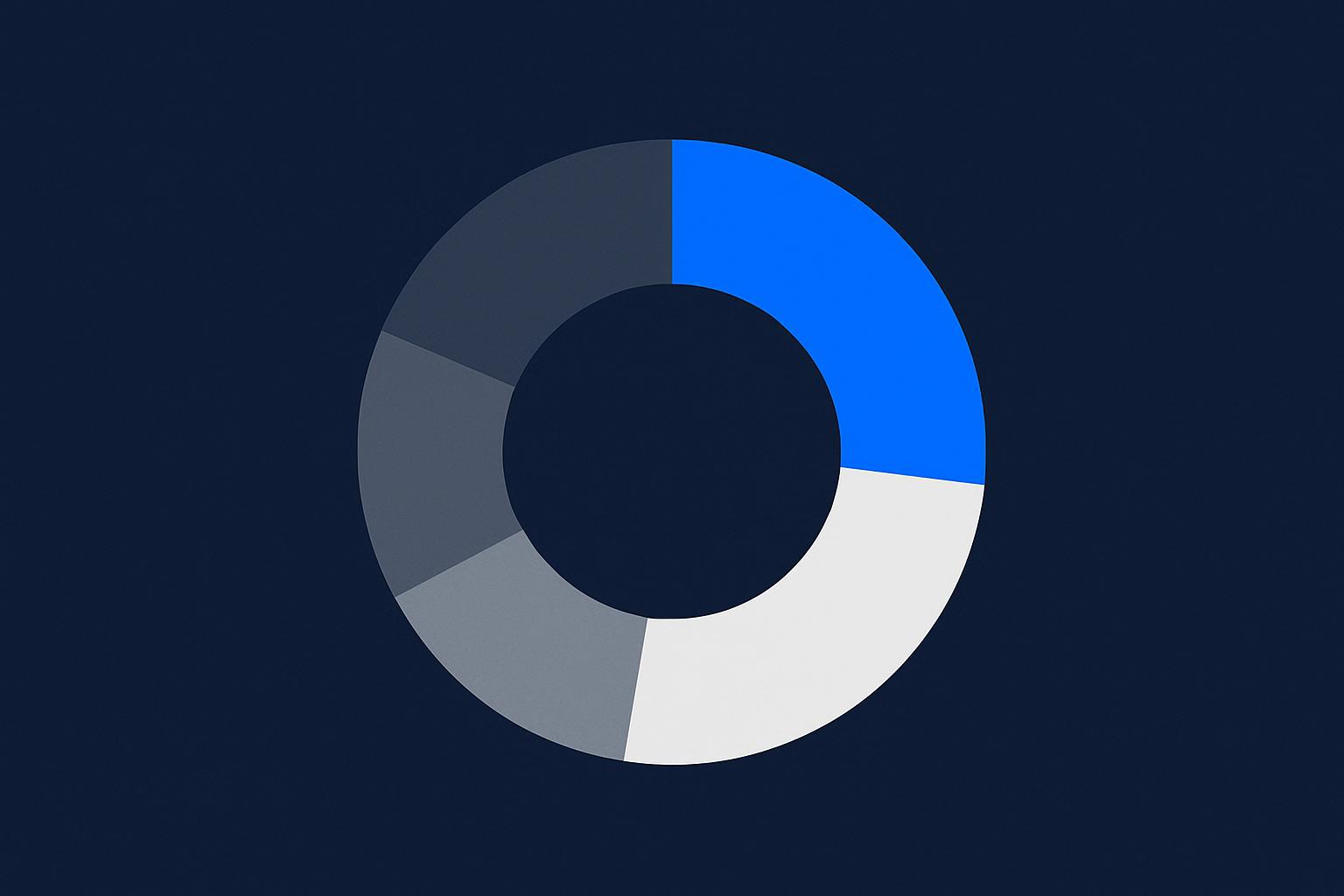
Citation share is the percentage of AI answers, across a set of buying questions, in which your brand is named or cited — versus your competitors. It's the metric that actually measures visibility in AI search, because unlike rankings or impressions, it counts the thing that matters: whether you're in the answer at all.
If you take one number away from measuring AI search, make it this one. Here's what it is, how to calculate it, and how it differs from the other metrics people reach for.
Why citation share, and not rankings or impressions
Classic SEO metrics quietly break in AI search. A ranking assumes a list of ten blue links; an AI answer is one synthesized response. An impression assumes a click is possible; most AI answers never produce one. So "we rank #3" and "we got 10,000 impressions" can both be true while you're absent from the answer buyers actually read.
Citation share sidesteps all of that. It doesn't care about position or clicks — it asks the only question that matters in a one-answer world: when someone asks about our category, how often does the AI mention us?
How to calculate citation share
The formula is deliberately simple:
Citation share = (answers where you're named ÷ total answers checked) × 100
To run it:
- Pick your buying questions — say 20 prompts a real prospect uses ("best [category] for [segment]," "[competitor] alternatives," "is [you] any good").
- Run them across the engines — ChatGPT, Perplexity, Gemini, Google AI Overviews.
- Count the answers where you're named. Twelve out of forty responses = 30% citation share.
- Do the same for competitors — share of voice is only meaningful in comparison.
Track it over time and by engine. A single number is a baseline; the trend is the scoreboard. This is the measurement half of any AI search audit — citation share is what you measure; the audit is how you act on it.
Citation share vs. influence score
People often conflate two different things:
- Citation share measures how often you appear — breadth of presence across answers.
- Influence score (or citation weight) tries to measure how much a given source shaped the answer — depth of impact.
Citation share is the more reliable place to start: it's countable, comparable, and hard to game. Influence weighting is useful later, once you're optimizing which sources drive your citations — but you can't weigh influence you don't yet have. Get your presence up first.
What moves citation share
Because AI assembles answers from third-party sources, your citation share is mostly decided off your own site. To raise it:
- Earn presence in the sources AI trusts for your category — often Reddit and community threads or review platforms more than your own pages.
- Fix accuracy and entity signals so engines resolve you correctly — your Knowledge Panel and entity matter here.
- Answer the specific questions you lose, in the places AI cites.
That loop — measure citation share, trace the sources, influence them — is the core of generative engine optimization.
See your citation share
Want your number without running forty prompts by hand? The free AI visibility report calculates your citation share across the major engines, shows who's beating you, and names the sources driving it.
Frequently asked questions
What is citation share?
Citation share is the percentage of AI answers, across a set of buying questions, in which your brand is named or cited versus your competitors. It measures visibility in AI search by counting whether you're in the answer at all — the thing rankings and impressions miss.
How do you calculate citation share?
Citation share = (answers where you're named ÷ total answers checked) × 100. Pick ~20 buying-question prompts, run them across ChatGPT, Perplexity, Gemini and Google AI Overviews, and count how many answers name you. Twelve of forty responses is a 30% citation share. Do the same for competitors to get share of voice.
Why is citation share better than rankings or impressions in AI search?
Rankings assume a list of links and impressions assume a possible click — but an AI answer is one synthesized response that usually produces no click. You can rank #3 and get thousands of impressions while being absent from the answer buyers read. Citation share measures whether you're actually named.
What's the difference between citation share and influence score?
Citation share measures how often you appear across answers (breadth of presence). An influence score tries to measure how much a specific source shaped an answer (depth of impact). Start with citation share — it's countable, comparable, and hard to game — then weigh influence once you're optimizing which sources drive your citations.
How do I improve my citation share?
Because AI builds answers from third-party sources, most of the work is off your own site: earn presence in the sources AI trusts for your category (often Reddit, communities, or review platforms), fix accuracy and entity signals so engines resolve you correctly, and answer the specific questions you're losing where AI cites.
References

Cory Maki is an AI search strategist based in Taichung, Taiwan, specializing in GEO, AI reputation management, and AI branding for SaaS founders. Author of Reddit, AI Overviews & GEO and creator of the ARC Method. Read more →