How to Connect Entities with Schema Markup for the Knowledge Graph
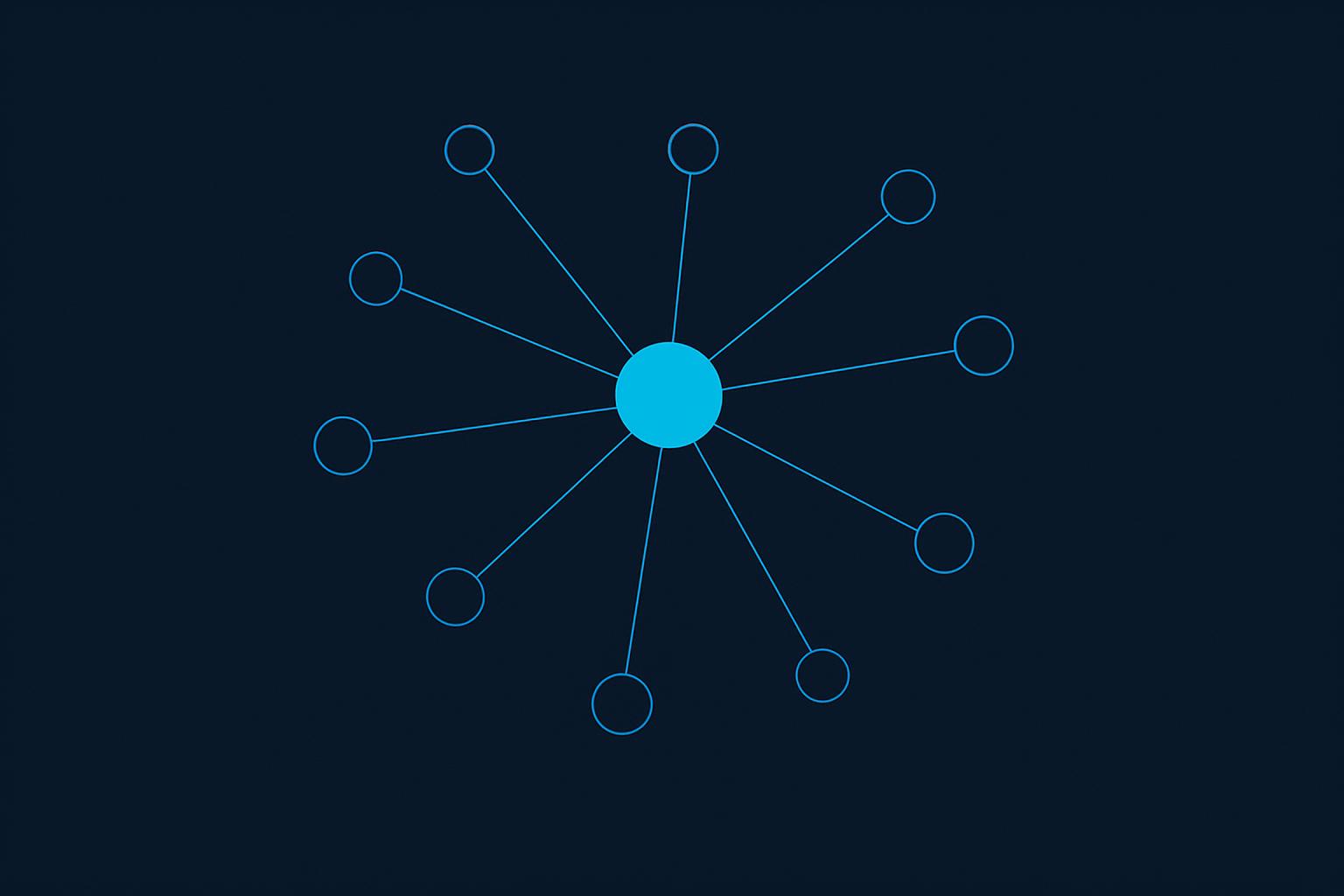
Schema markup does more than describe a page — it tells search engines which entity a page is about and how it connects to entities elsewhere. Getting those connections right is how you become a resolvable entity that Google, and downstream AI, can trust. Here is how the connective tissue actually works.
The three properties that connect entities
Most schema tutorials stop at "add Organization markup." The connections come from three specific properties.
@id — a stable identifier for your entity. Give your Person or Organization a canonical @id such as https://yourdomain.com/#person, and reuse that exact @id everywhere you reference the entity across your site. This tells engines every one of those mentions is the same thing, instead of leaving them to guess.
sameAs — links to the same entity elsewhere. List the authoritative profiles that represent the same entity: LinkedIn, X, Crunchbase, Wikidata, an Amazon author page. sameAs is how you say "the entity on this page is also that entity over there," which is exactly what resolves a scattered set of mentions into one confident entity.
identifier — external database IDs. Where you have them, declare stable IDs like a Wikidata QID or a Google Knowledge Graph ID as PropertyValue identifiers. These are the strongest possible "this is definitely that entity" signals.
A minimal connected Person entity
{
  "@context": "https://schema.org",
  "@type": "Person",
  "@id": "https://yourdomain.com/#person",
  "name": "Your Name",
  "jobTitle": "Founder",
  "identifier": [
    { "@type": "PropertyValue", "propertyID": "Wikidata", "value": "Q00000000" }
  ],
  "sameAs": [
    "https://www.linkedin.com/in/you/",
    "https://x.com/you",
    "https://www.crunchbase.com/person/you",
    "https://www.wikidata.org/wiki/Q00000000"
  ]
}
The same pattern applies to Organization. Reference that @id from your WebSite, Article, and author/publisher fields so the whole site points back to a single node.
Consistency is the part people skip
Schema states the connections; consistency proves them. If your markup says one thing while your About page, LinkedIn, and Crunchbase say slightly different things, engines hedge. The name, role, and links must match across every source — see why your facts must match everywhere.
Why this matters for AI, not just Google
A resolved entity is the substrate AI answers build on. If Google cannot confidently identify who you are, an AI assistant has nothing stable to attach your expertise to, and it reaches for a competitor who is unambiguous. Entity clarity is why schema now influences AI citations, not just rich results.
From markup to a Knowledge Panel
Connecting entities with schema is necessary but not sufficient — a Knowledge Panel also needs third-party corroboration and, ideally, reference-source entries like Wikidata. The full path is in Knowledge Panels and entity authority, and the SaaS-specific version is building your entity.
Check what Google currently resolves
Before adding markup, see what entity Google already holds for you — it tells you whether you are reinforcing an existing entity or trying to create one. The free Knowledge Panel checker shows it in about thirty seconds.
Frequently asked questions
How do you connect entities with schema markup?
Give your entity a stable @id and reuse it across the site, list authoritative profiles in sameAs, and declare external database IDs (like Wikidata or a Knowledge Graph ID) as identifier PropertyValues. Together these tell engines every mention is the same, resolvable entity.
What is sameAs in schema markup?
sameAs links your entity to the same entity represented elsewhere — LinkedIn, X, Crunchbase, Wikidata, an author page. It is how you say 'the entity on this page is also that entity over there,' which resolves scattered mentions into one confident entity.
What is the @id property used for?
@id is a stable, canonical identifier for an entity (for example yourdomain.com/#person). Reusing the exact same @id everywhere you reference the entity tells engines those references are all the same thing rather than separate ones.
Do I need Wikidata to connect entities?
No, but it helps. A Wikidata QID or Google Knowledge Graph ID declared as an identifier is among the strongest 'this is definitely that entity' signals — but consistent @id and sameAs on your own site are the foundation.
Does schema markup help AI citations?
Indirectly but importantly. Schema resolves you into an entity engines can trust; if Google cannot confidently identify who you are, AI answers have nothing stable to attach your expertise to and cite a clearer competitor instead.
References

Cory Maki is an AI search strategist based in Taichung, Taiwan, specializing in GEO, AI reputation management, and AI branding for SaaS founders. Author of Reddit, AI Overviews & GEO and creator of the ARC Method. Read more →